In Spring 2022 the Yummly Design team led a companywide exercise envisioning a future state for the mobile platform that would become the framework for a 3-year product roadmap
Approach
We began with user research and competitive analysis, combining these insights with customer support feedback. This helped us identify three key areas where we could create strategic value.
Through a series of ideation workshops we then developed potential product features and created interactive prototypes to demonstrate these possibilities.
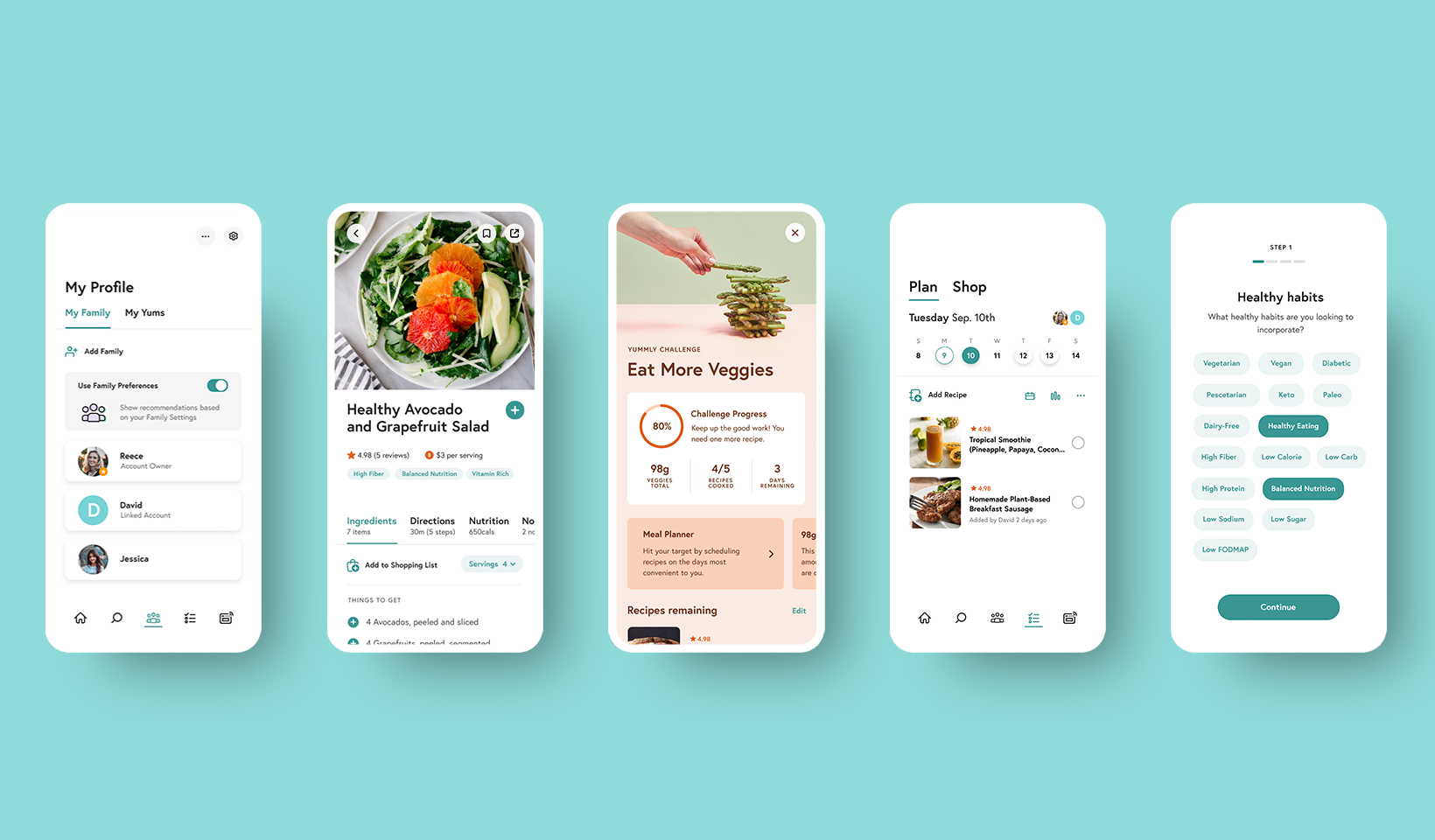
Our explorations focused on three main areas: Goalification, Family and Friends, and Recipe Experience.
Goalification
We recognized that users have deeper motivations behind their recipe choices and cooking habits. By understanding these motivations, we could help users set meaningful, achievable food goals that align with their personal needs.
To help users meet those goals we developed a cooking challenge concept that weaves in elements of gamification and other ways to stimulate motivational feedback loops, transforming everyday cooking into an exciting journey of discovery and personal accomplishment.
Challenges cover a variety of user scenarios, from helping to manage a health condition to developing new culinary skills, and incorporate helpful ways to stay on track – through nudges, reminders and other critical moments along the user journey steer the user towards a successful outcome.
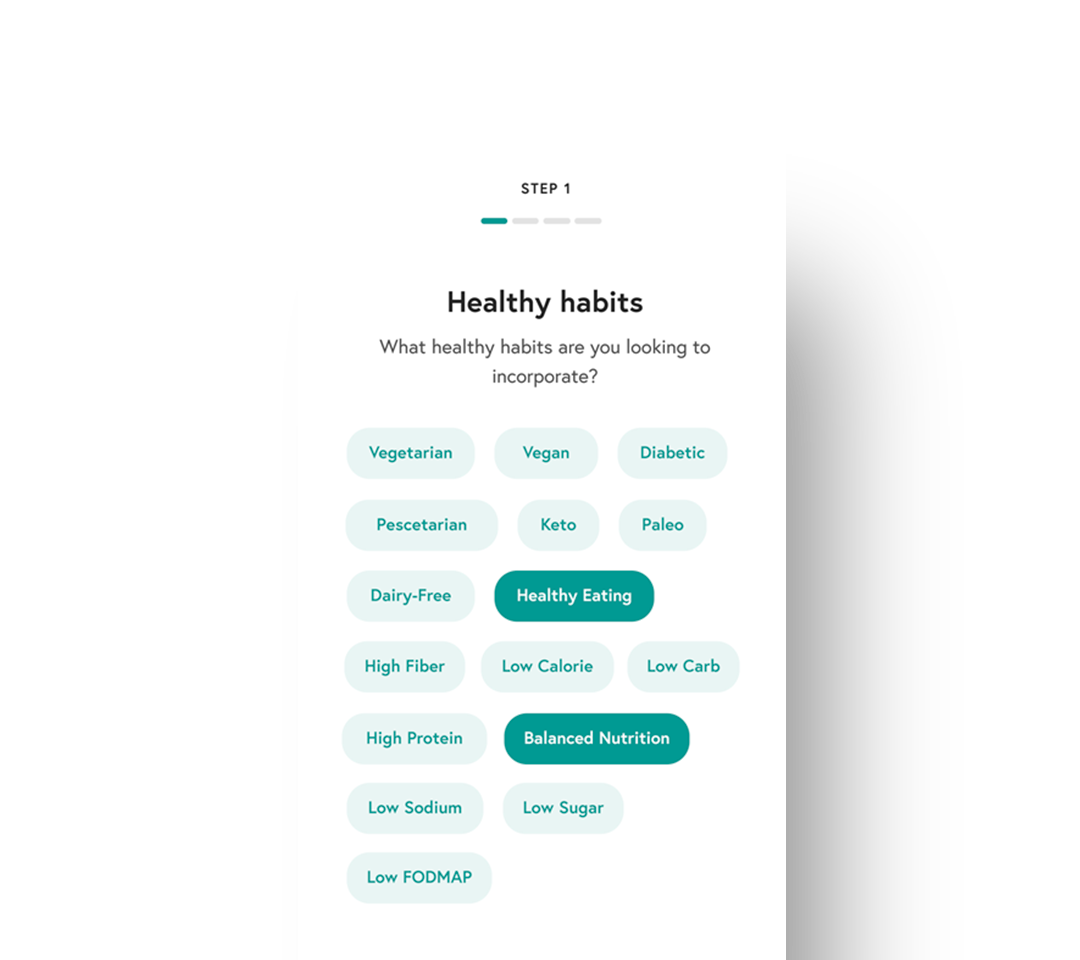
Motivation Profiling – Creating personalized experiences by understanding cooking interests and needs.
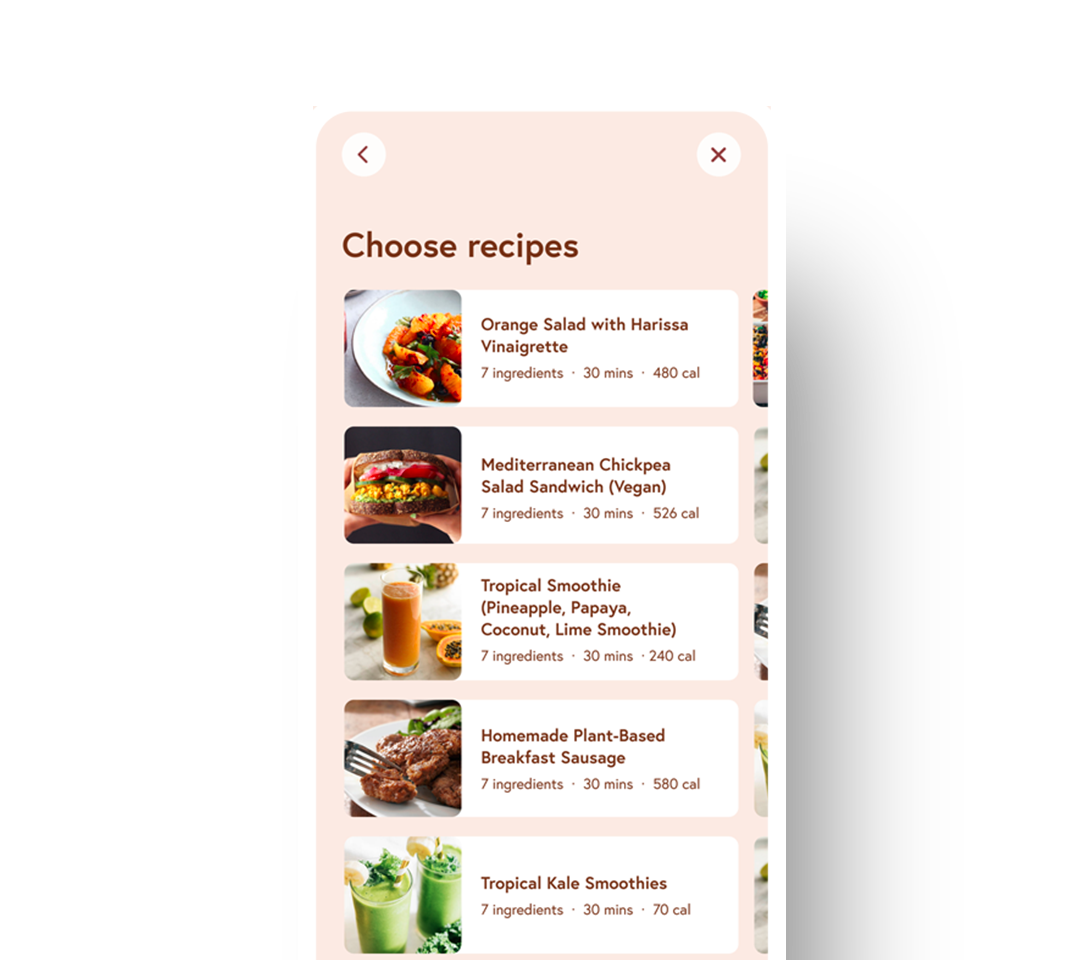
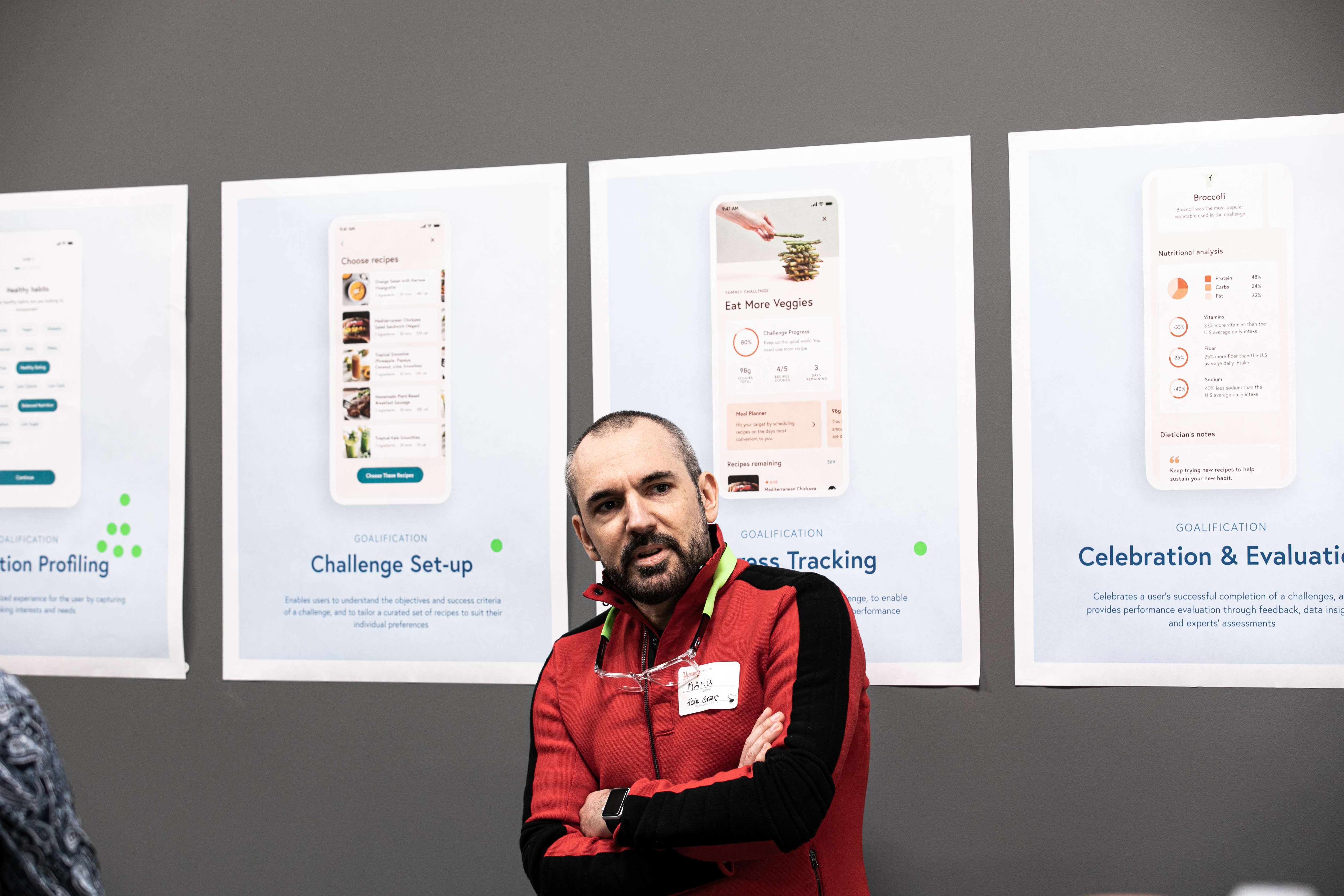
Challenge Set-up – Helping users understand objectives and success criteria while matching recipes to their preferences.
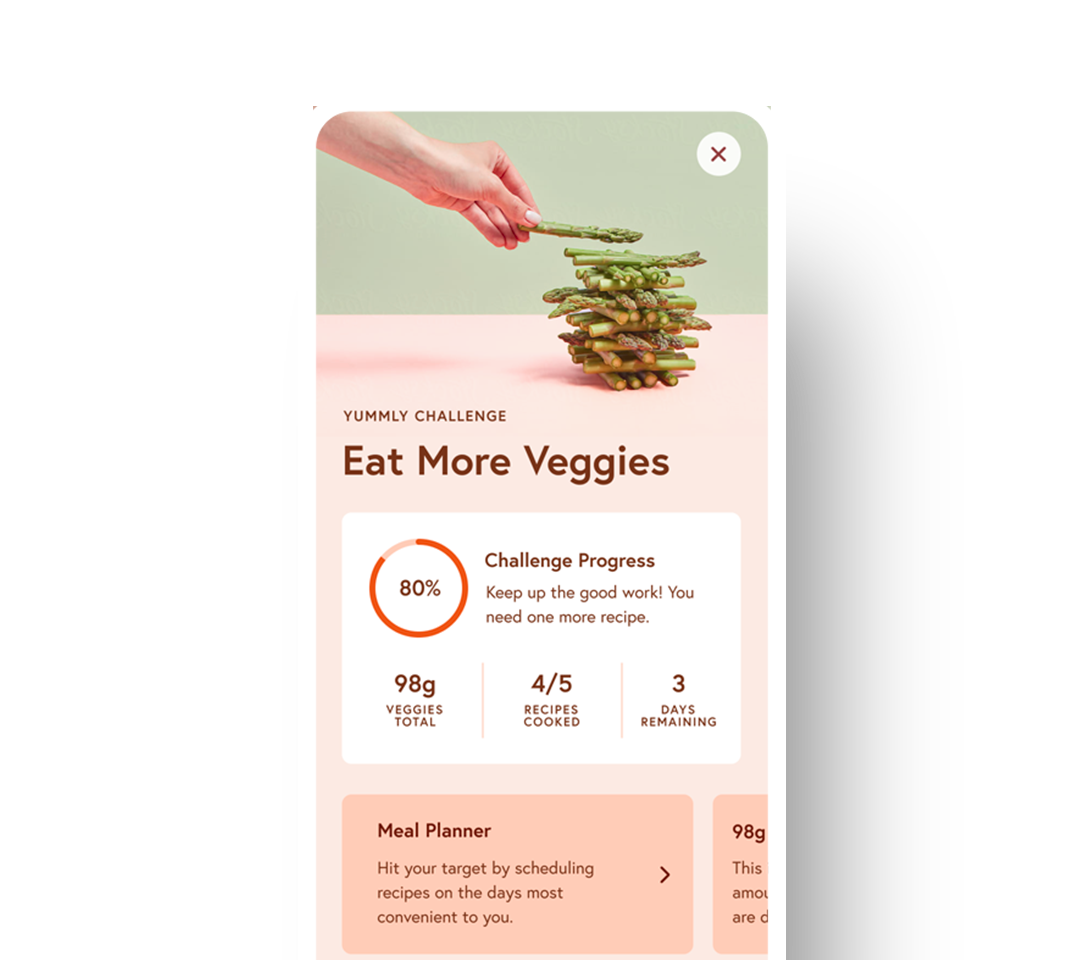
Progress Tracking – Supporting users with meaningful feedback and performance insights.
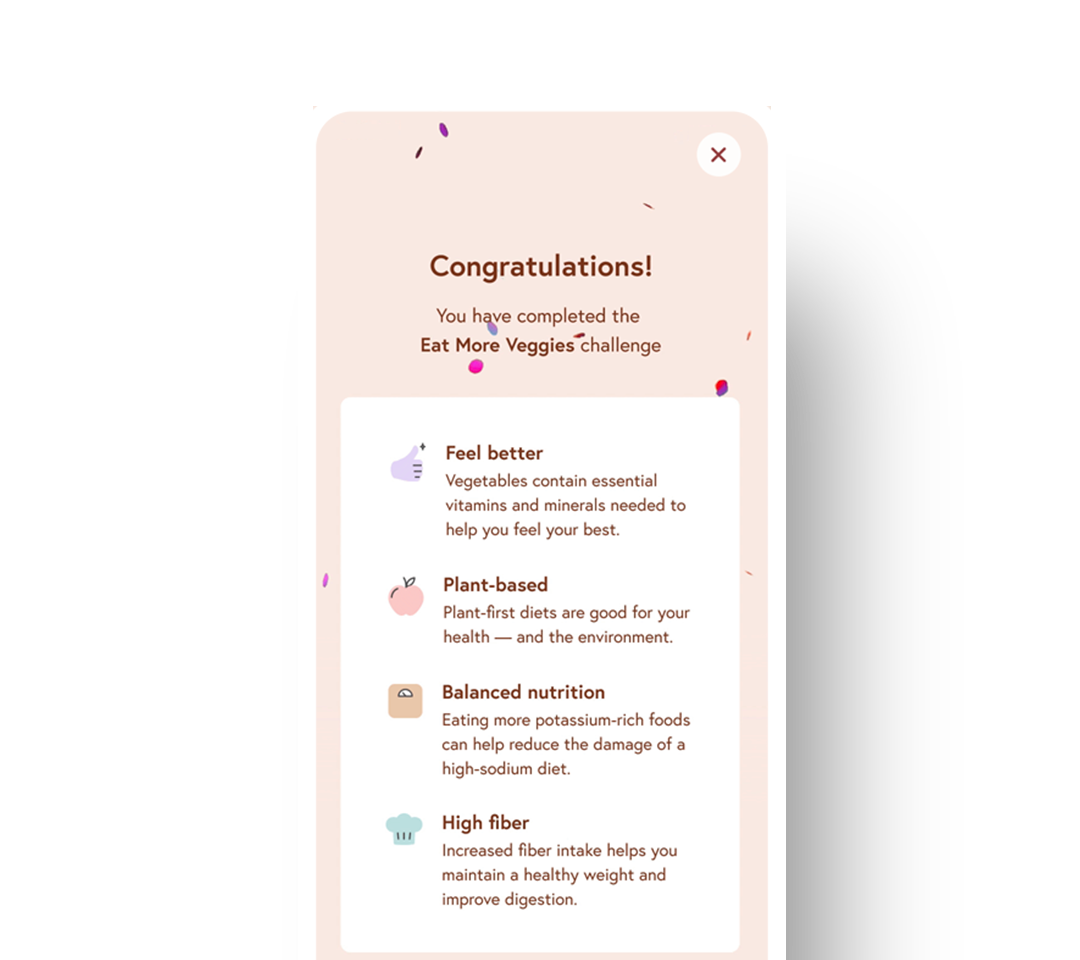
Celebration & Evaluation – Providing constructive feedback and expert assessment upon challenge completion.
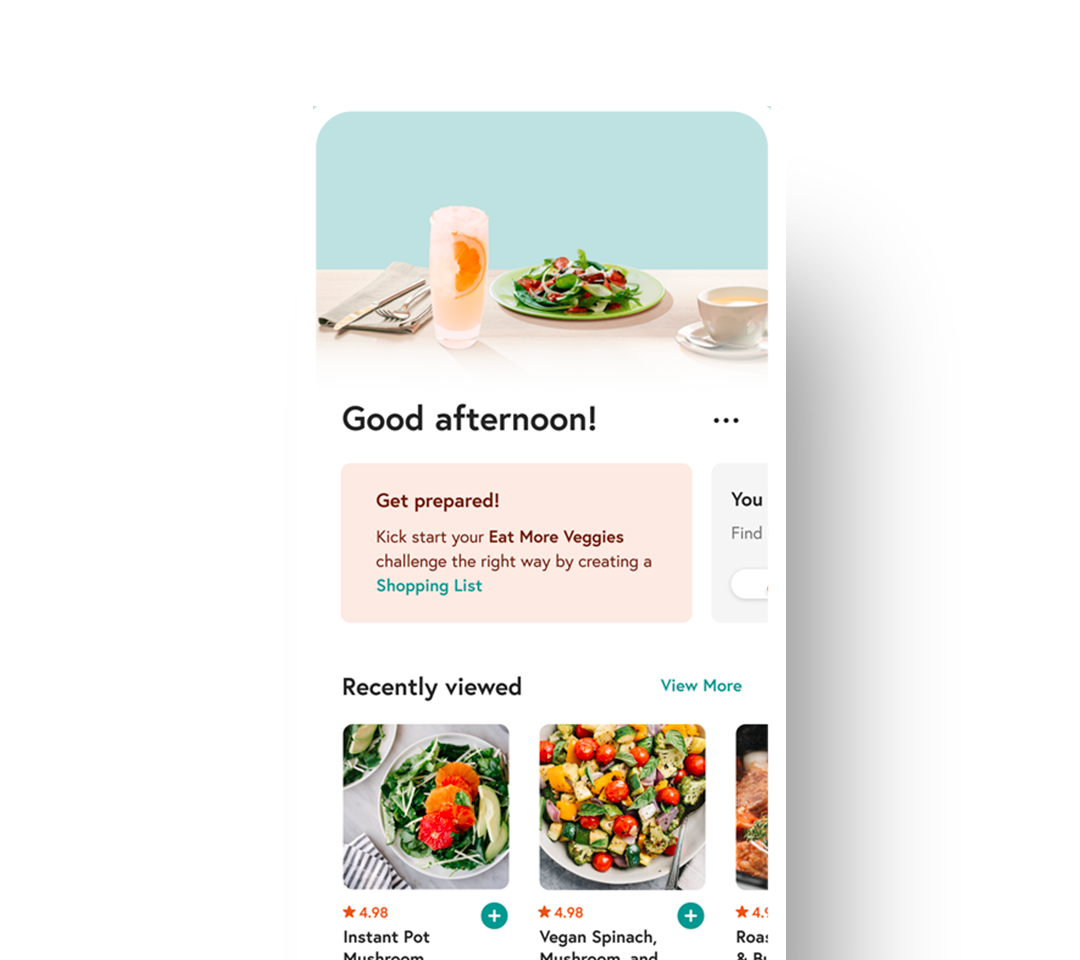
Nudges – Personalized communications to maintain and encourage user engagement.
Family and Friends
The second key focus area was developing multi-user collaborative experiences by reimagining product features to serve entire families.
Backed by our research findings we theorized that by incorporating multiple family members into the experience – capturing their diverse taste preferences and dietary requirements, and extending subscription features across the household – would deliver significant added value to subscribed users.
Furthermore, extending relevant functionality to friends and to a wider family circle would not only enhance the customer experience but also create opportunities to grow the active user base organically through these social connections.
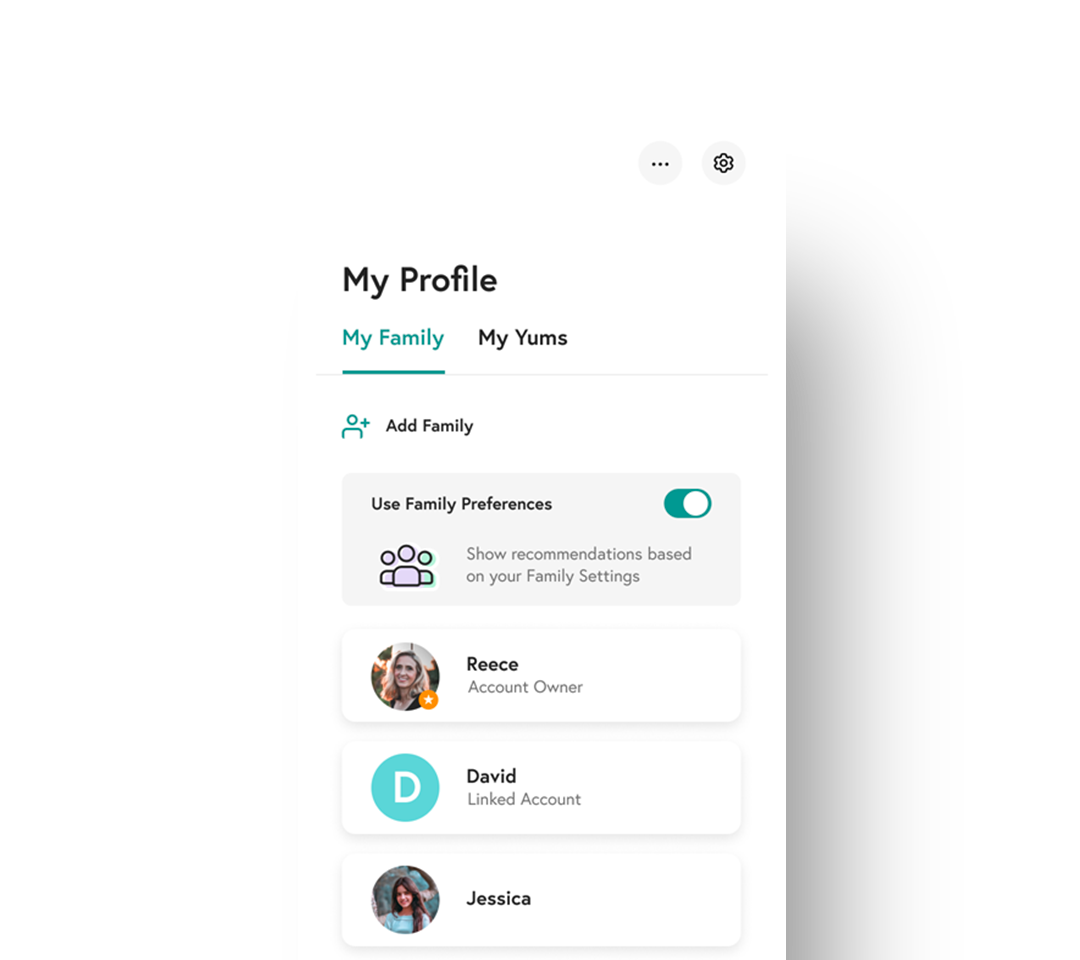
Family Browsing – Easy switching between content feeds based on individual or family preferences.
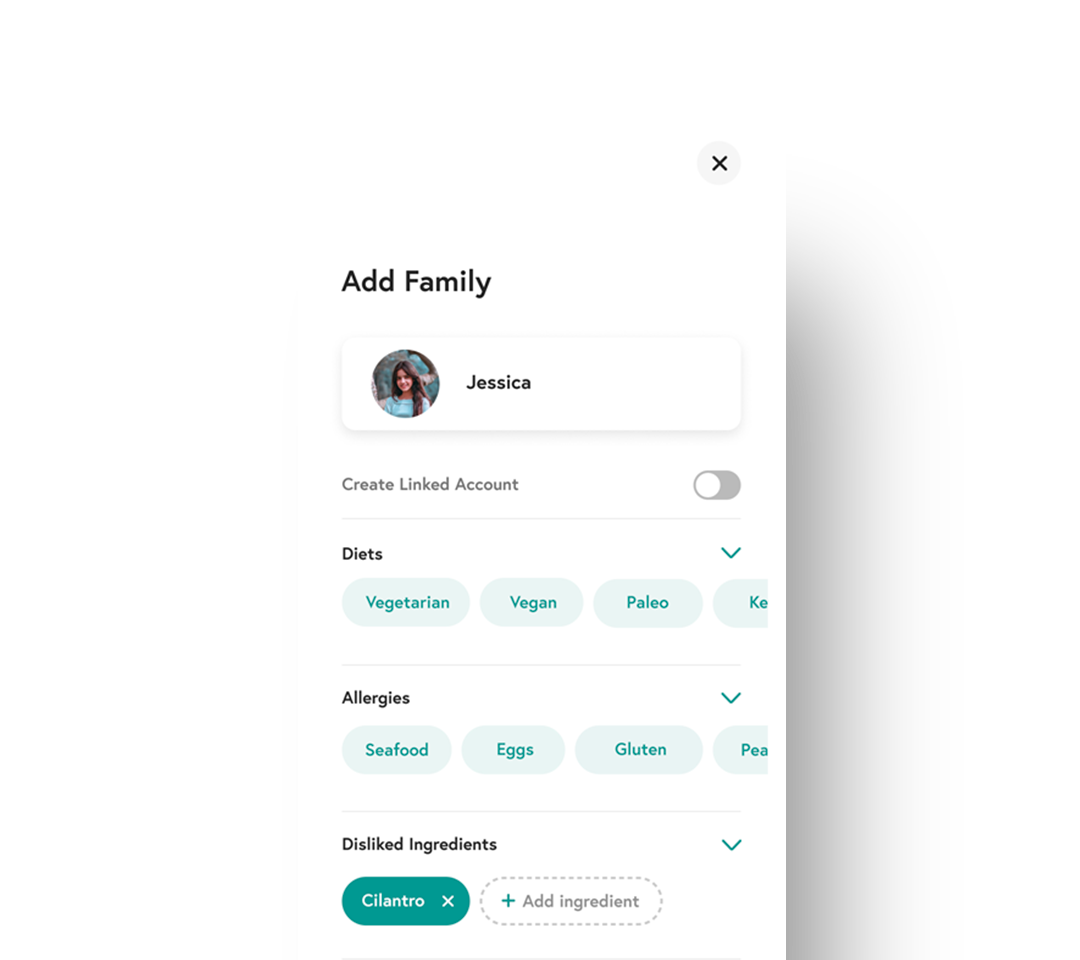
Family Preferences – Simple management of dietary requirements and taste preferences for household members.
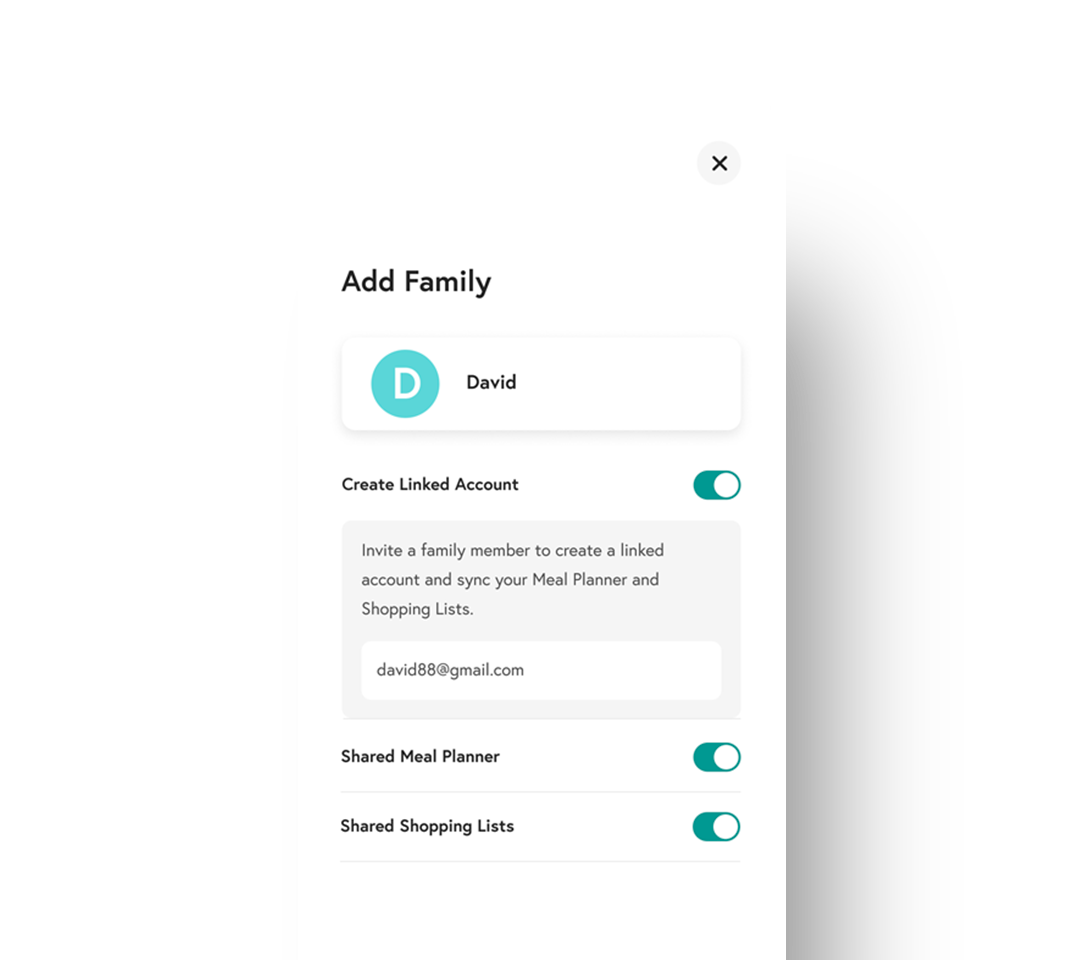
Linked Accounts – Household-level subscription access to enable collaboration.
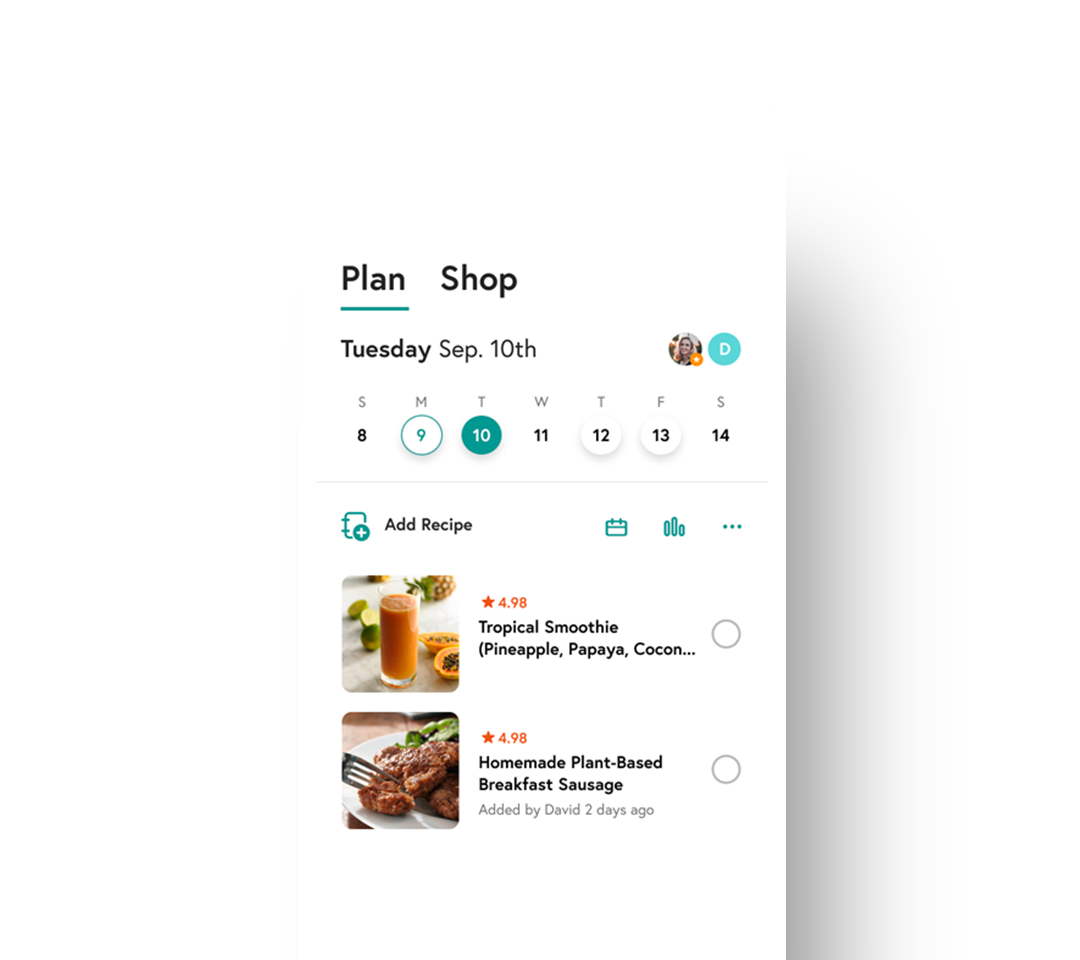
Shared Meal Planner – A synchronized planning tool for family meal coordination.
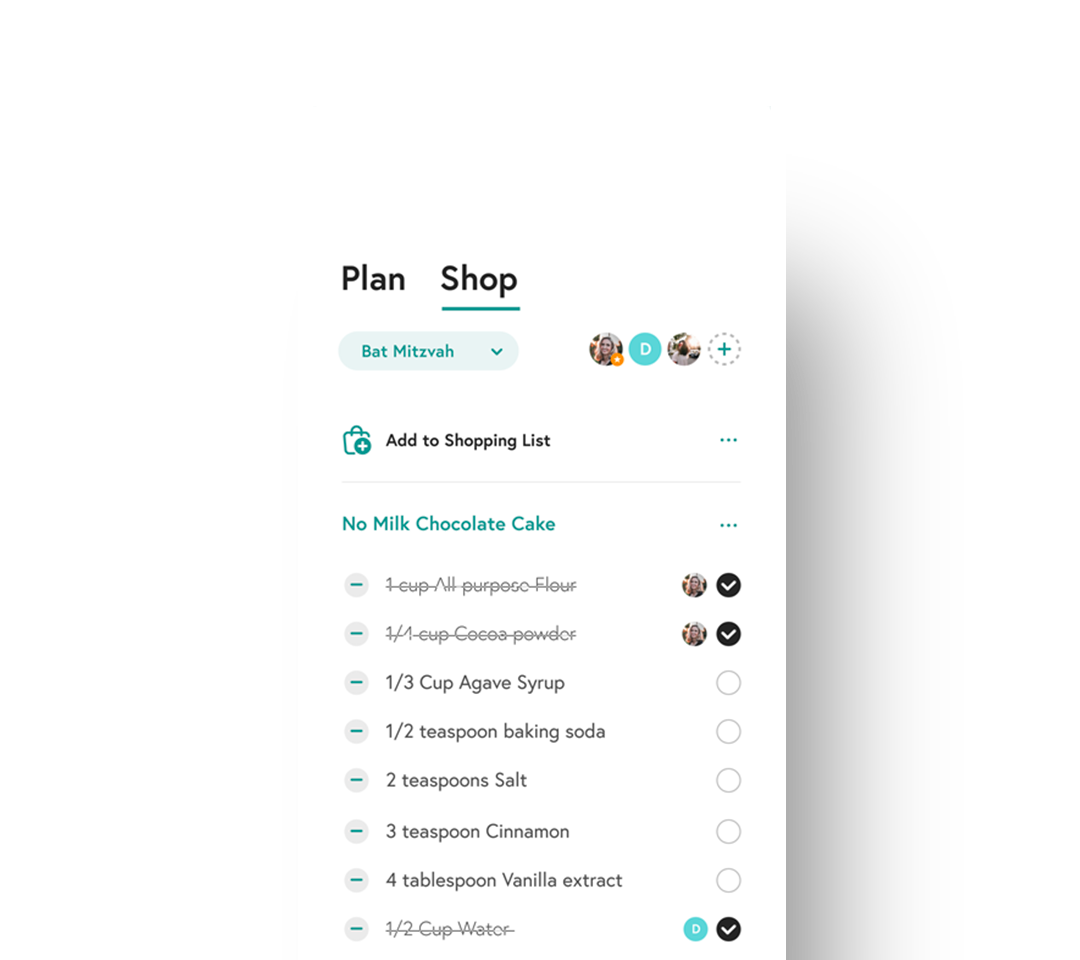
Shared Shopping Lists – Collaborative list creation for recipes and ingredients.
Recipe Experience
Yummly’s 2m+ recipes form the backbone of the user experience, with all user journeys culminating in the Recipe Detail Page. While this core feature had evolved incrementally over time, it now required a comprehensive redesign.
The insights gleaned from our research led us to reimagine both the information architecture and user interface, prioritizing key user needs such as toggling between recipe steps and ingredients and step-by-step guidance.
In addition to the redesign of the Recipe Detail Page we prototyped a series of the most-commonly requested features, including personalized recipe creation and the ability to annotate existing recipes.
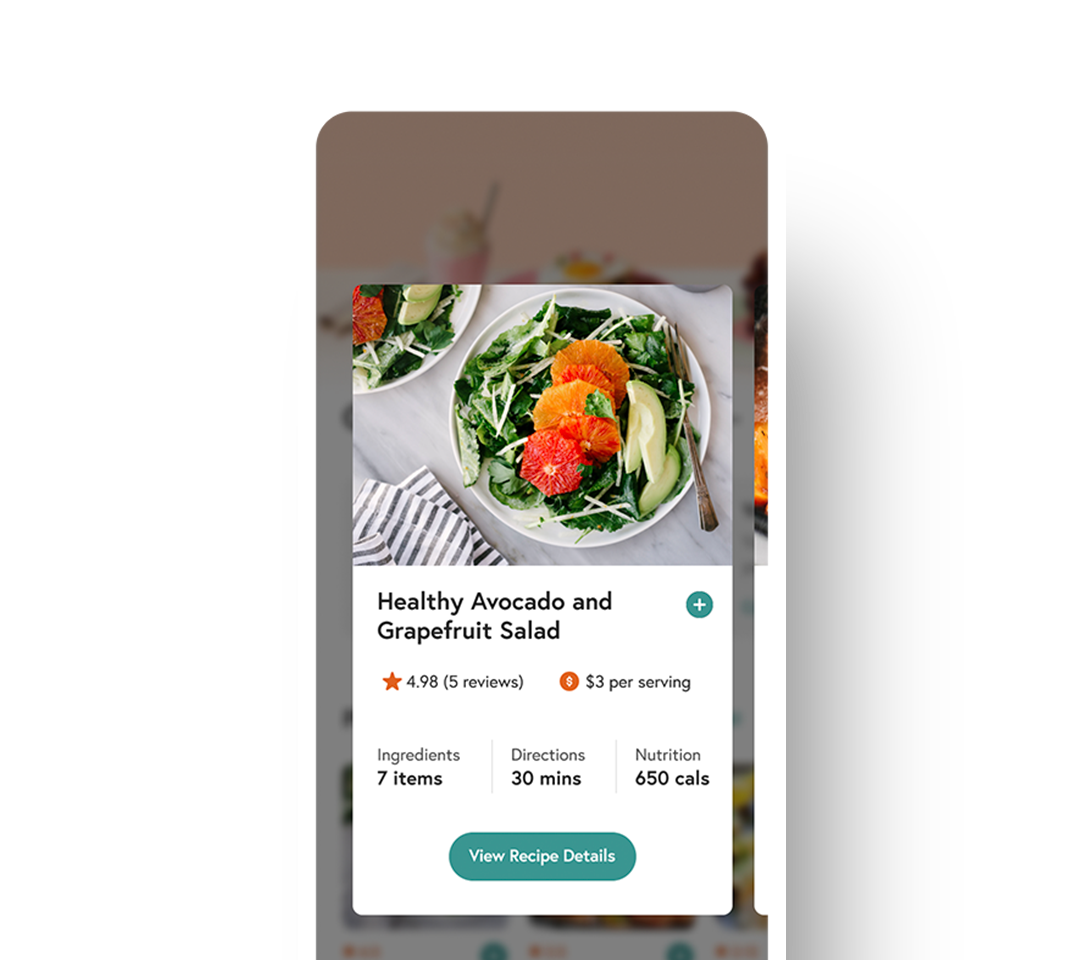
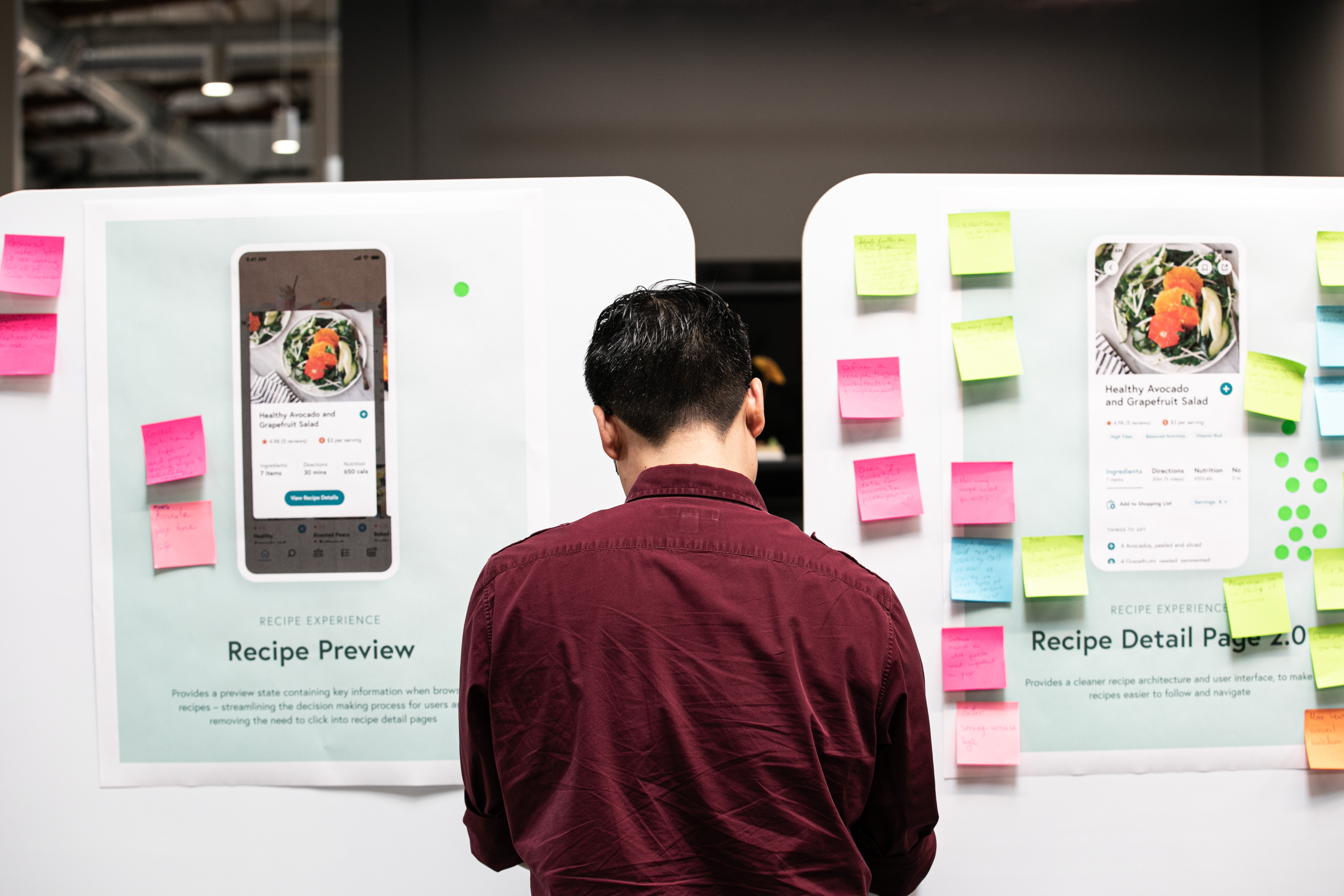
Recipe Preview – Streamlined, accessible presentation of key information for efficient decision-making.
Recipe.
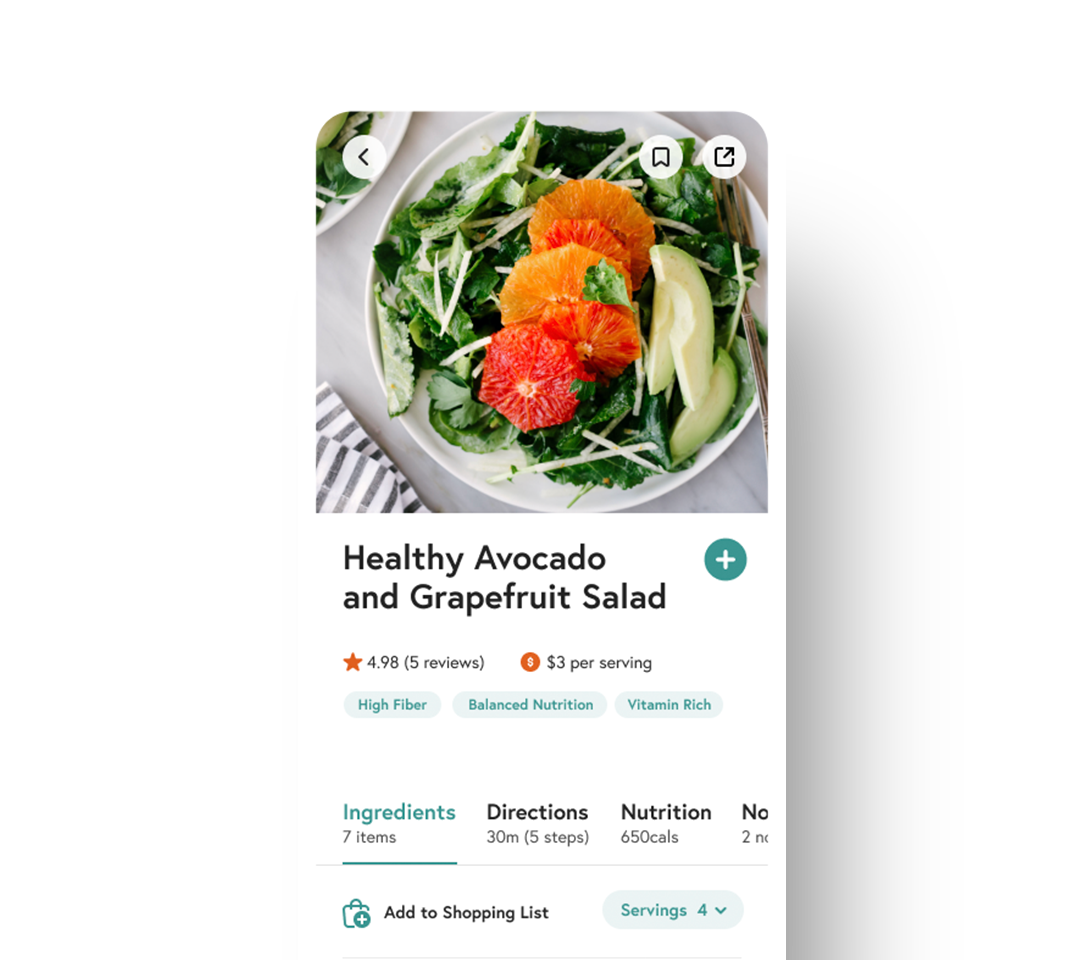
Recipe Detail Page 2.0 – Improved architecture and interface for better recipe navigation.
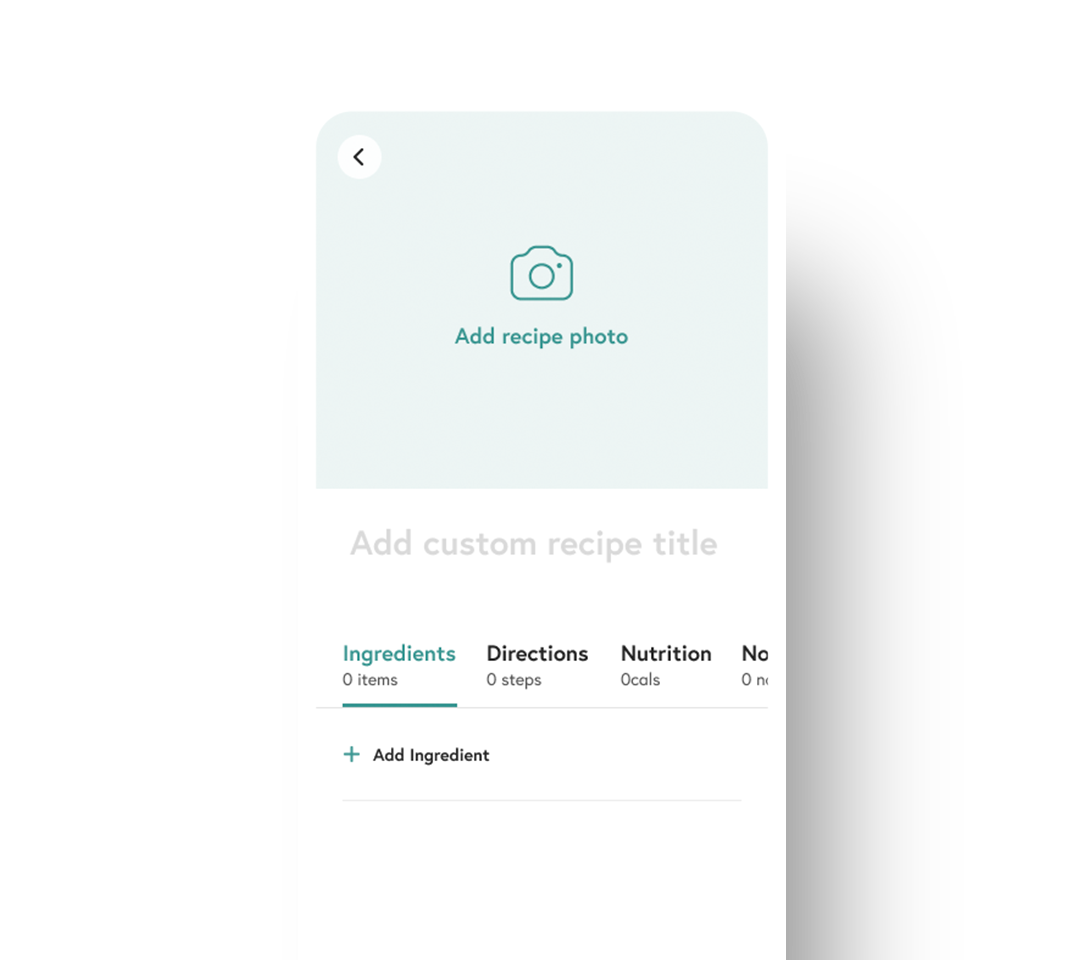
Custom Recipes – Creation of personal recipes fully integrated with platform features.
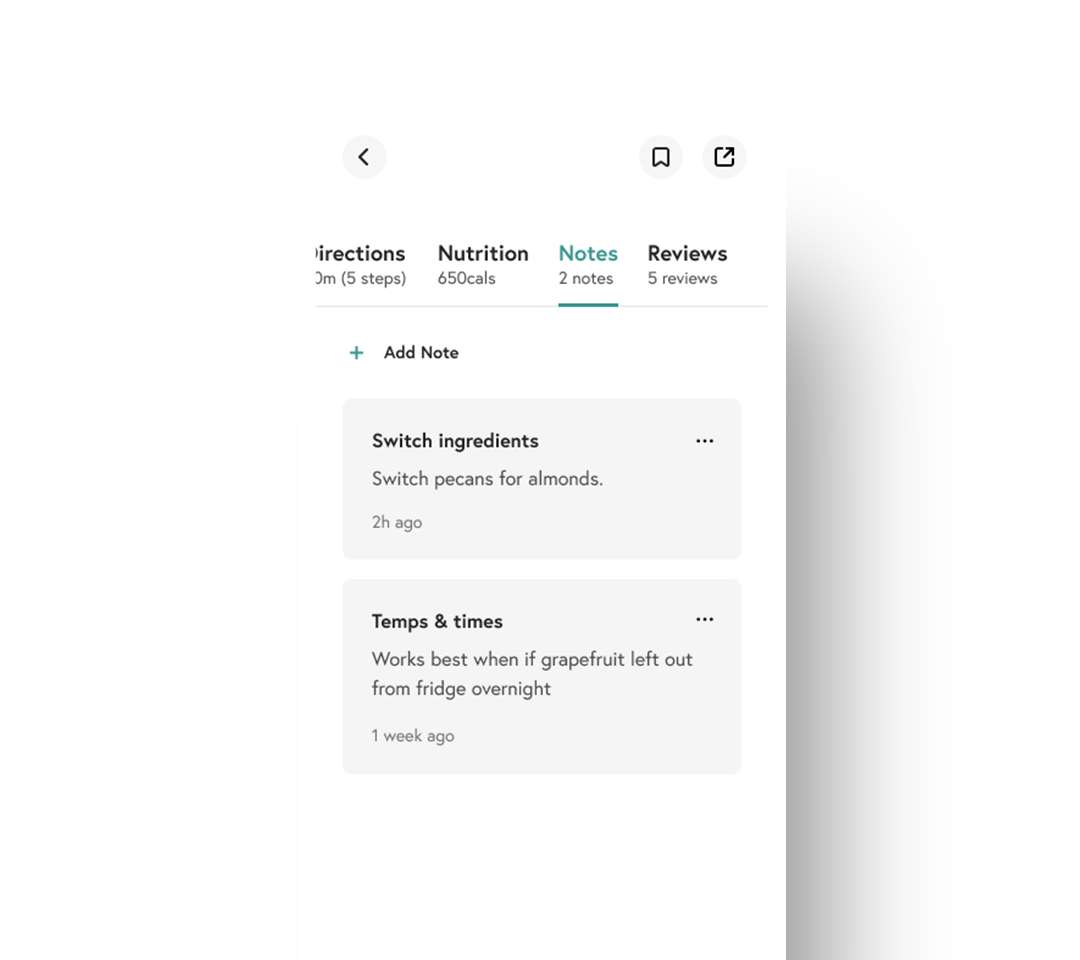
Recipe Notes – Personal recipe annotations for recipe customization.
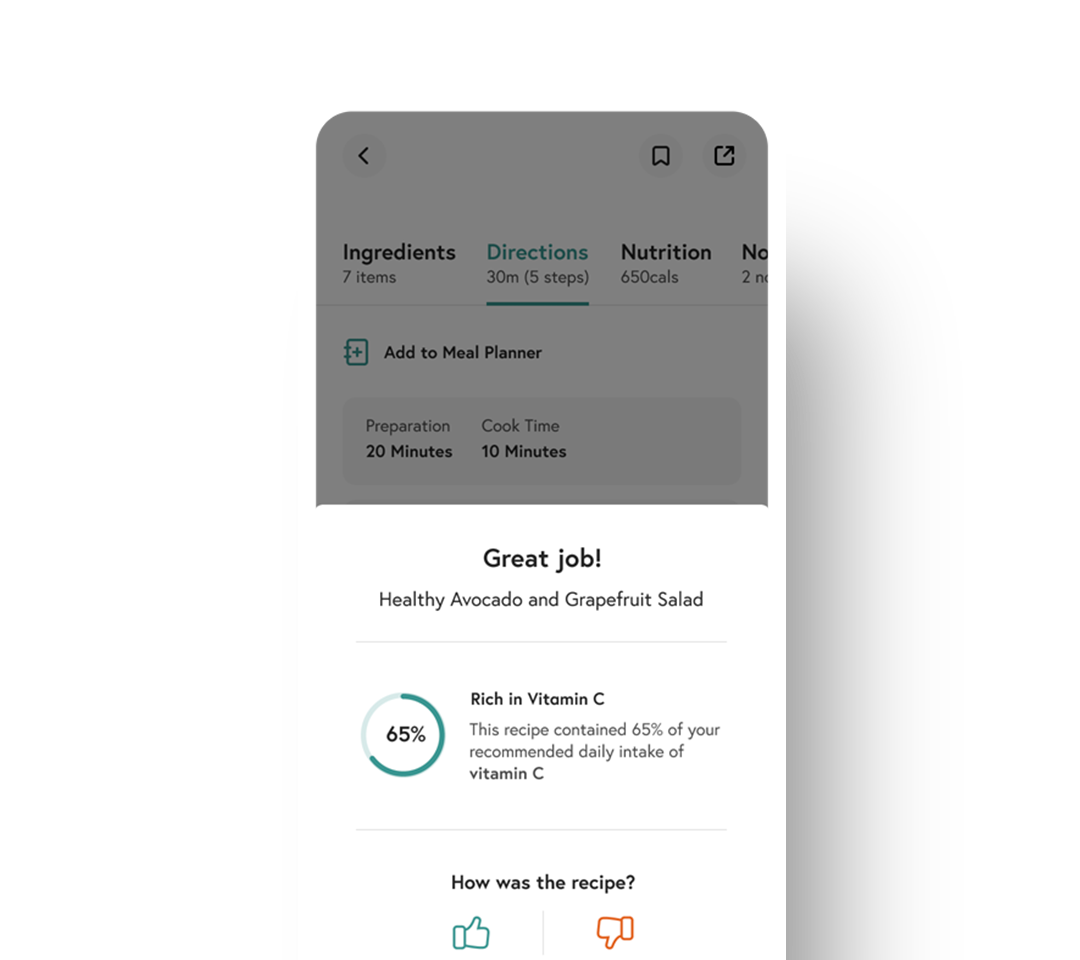
Made-It – Recipe completion tracking for improved personalization and recommendation.
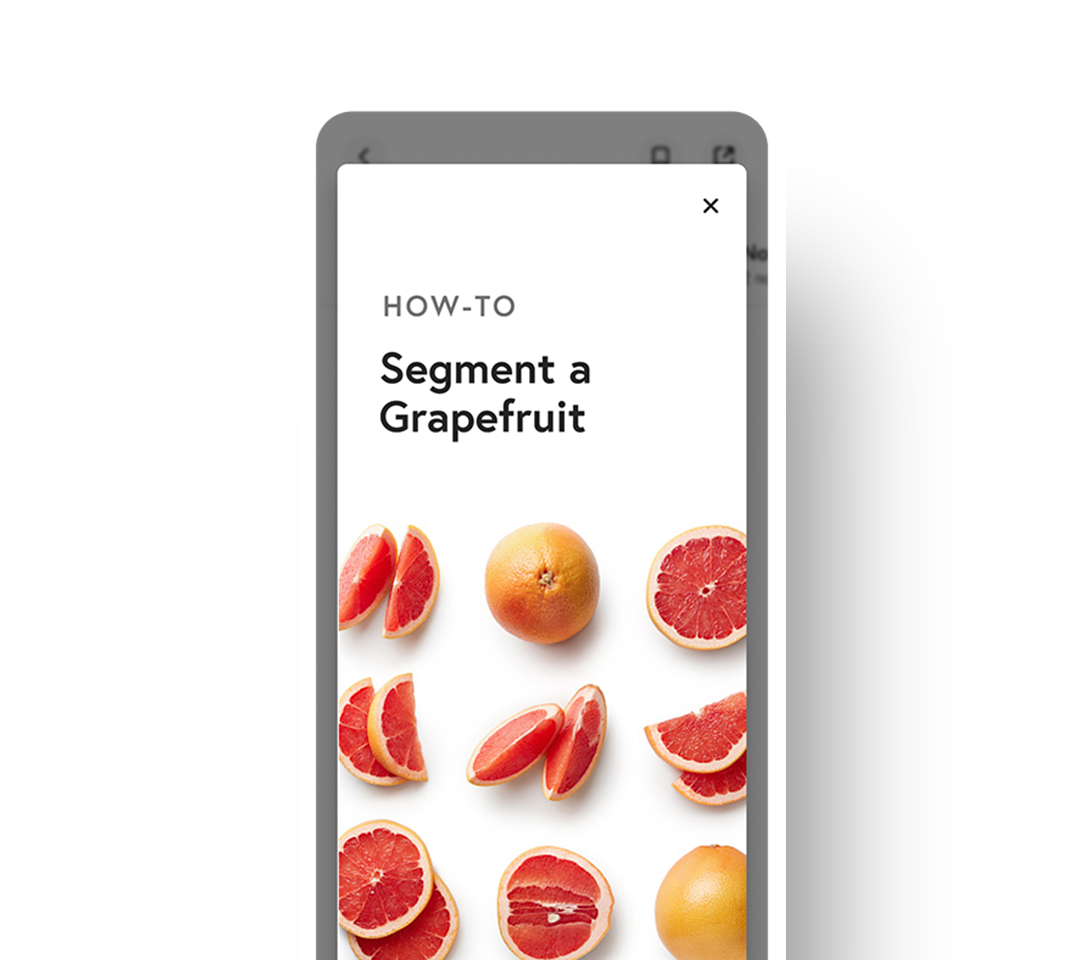
Short-form Content – Concise, informative video content to aid users along the food journey.
Vision Workshops
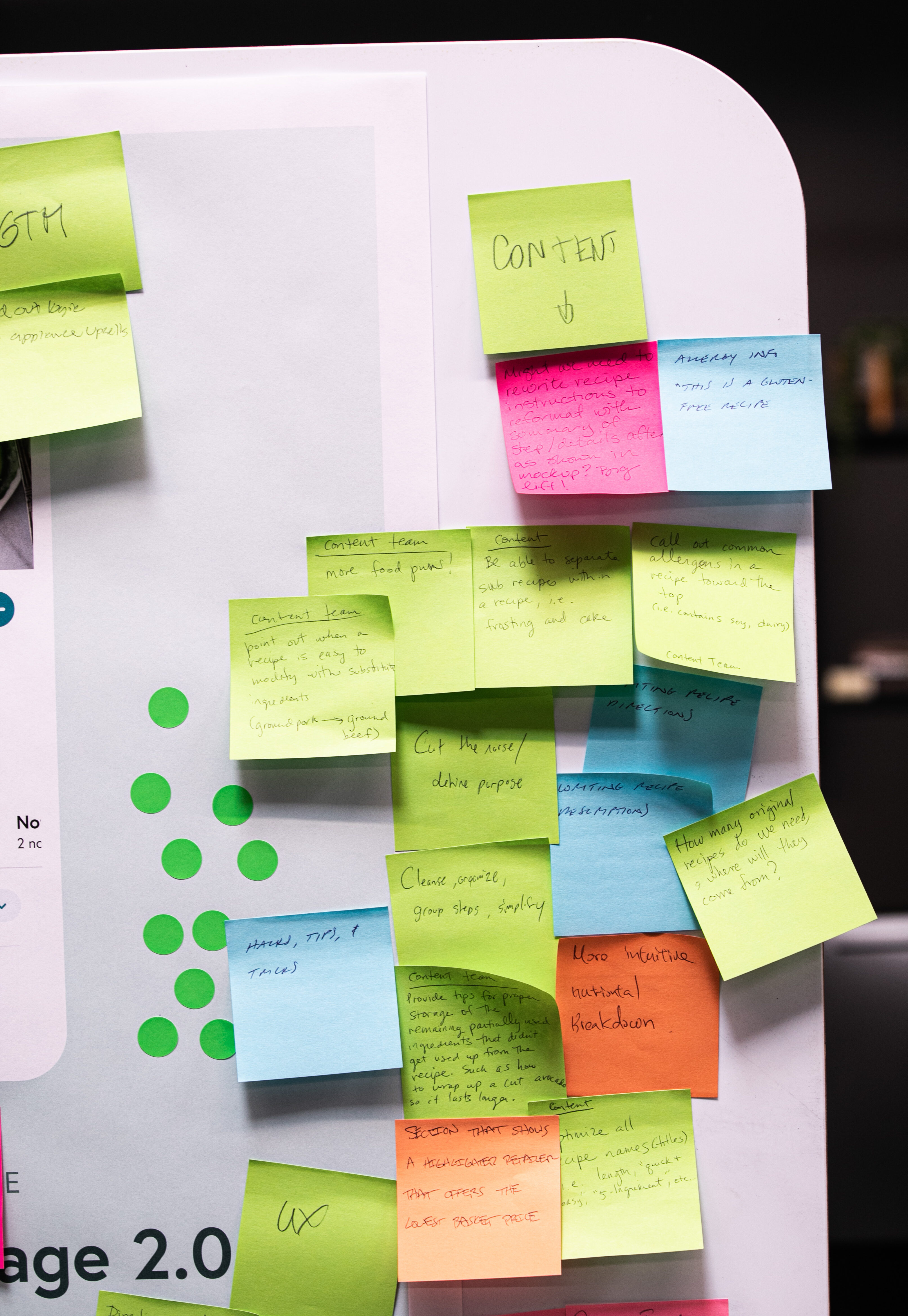
Key outcomes for this work included all functional teams having a clear understanding of the product vision, and for them to help steer the roadmap through their input.
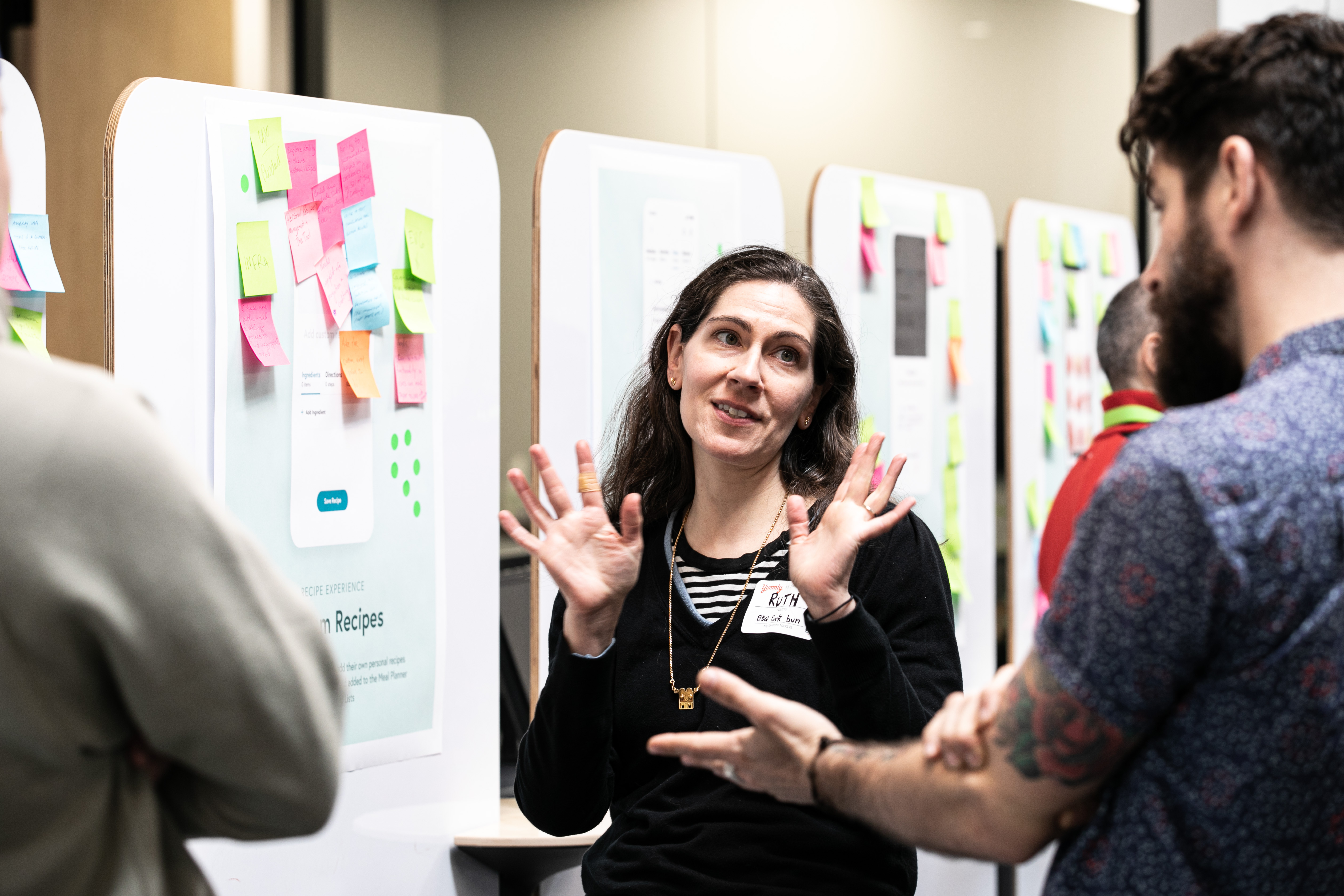
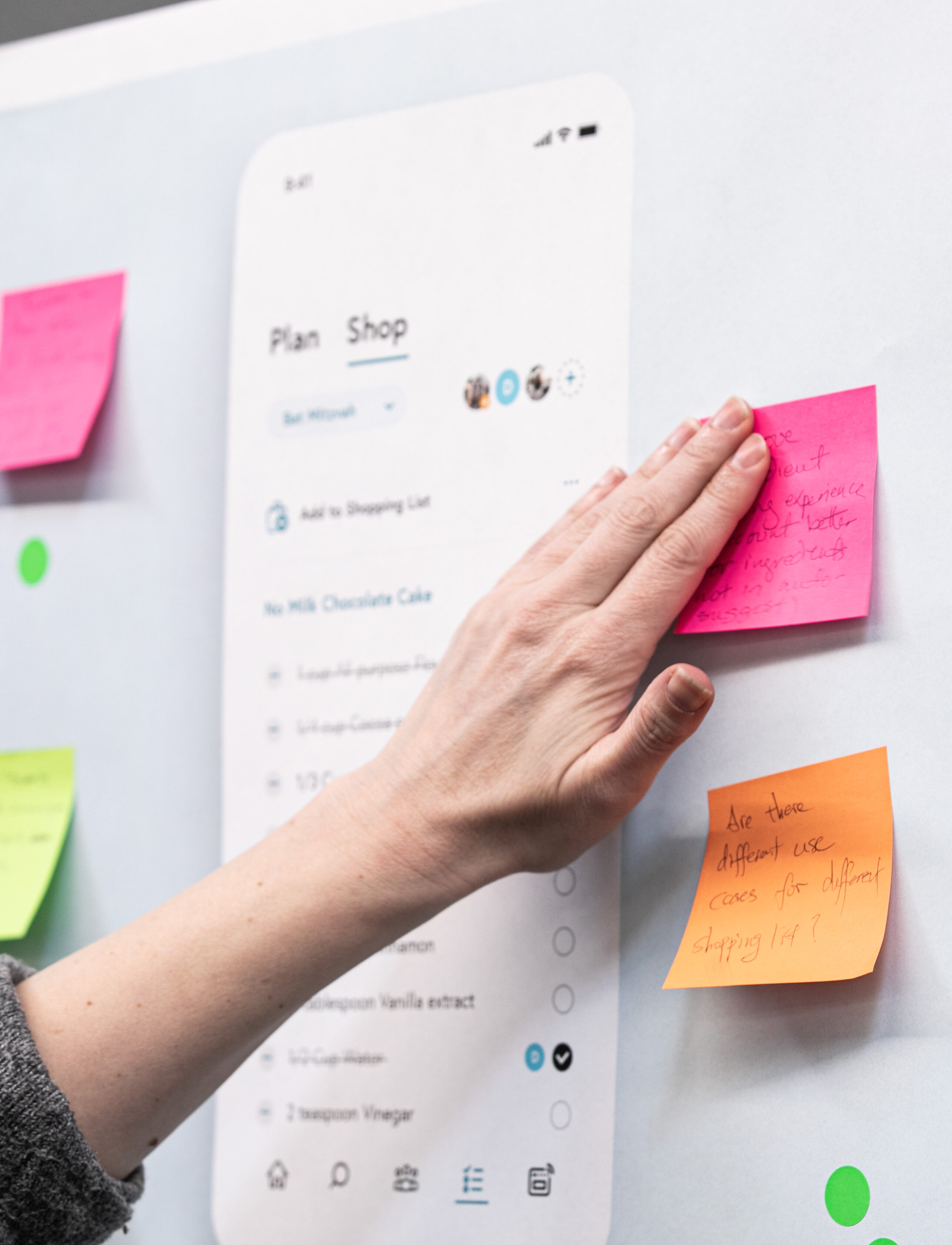
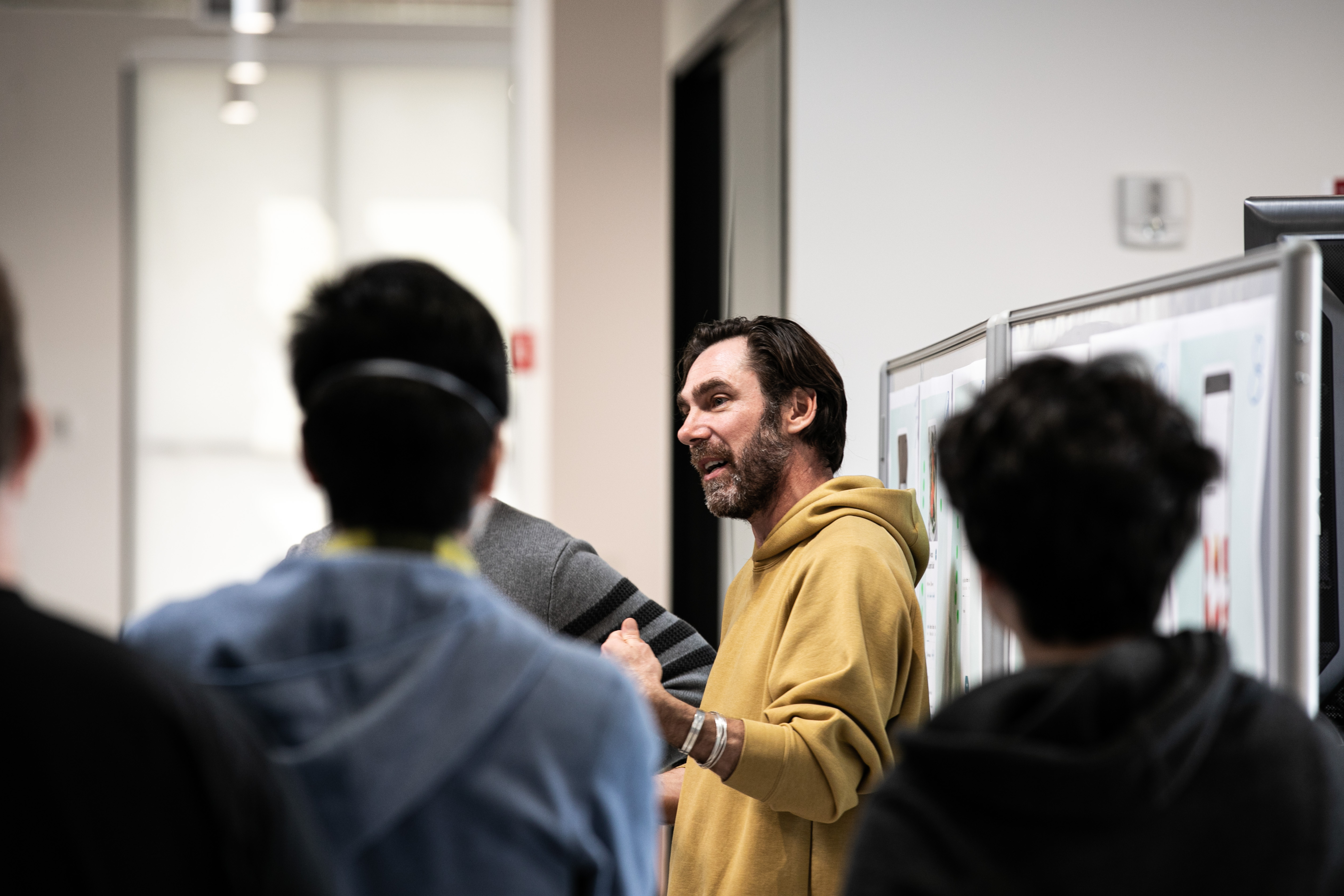
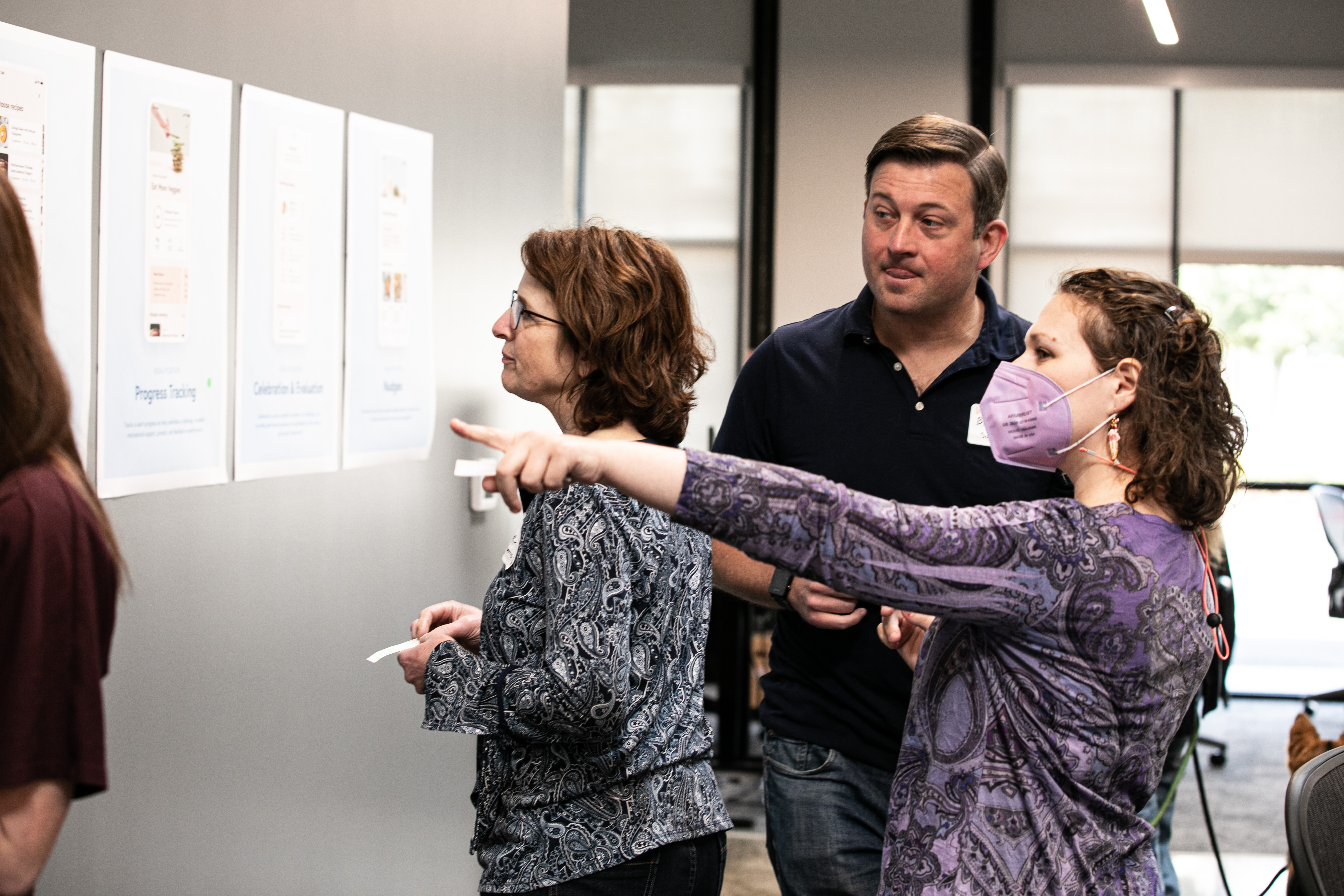
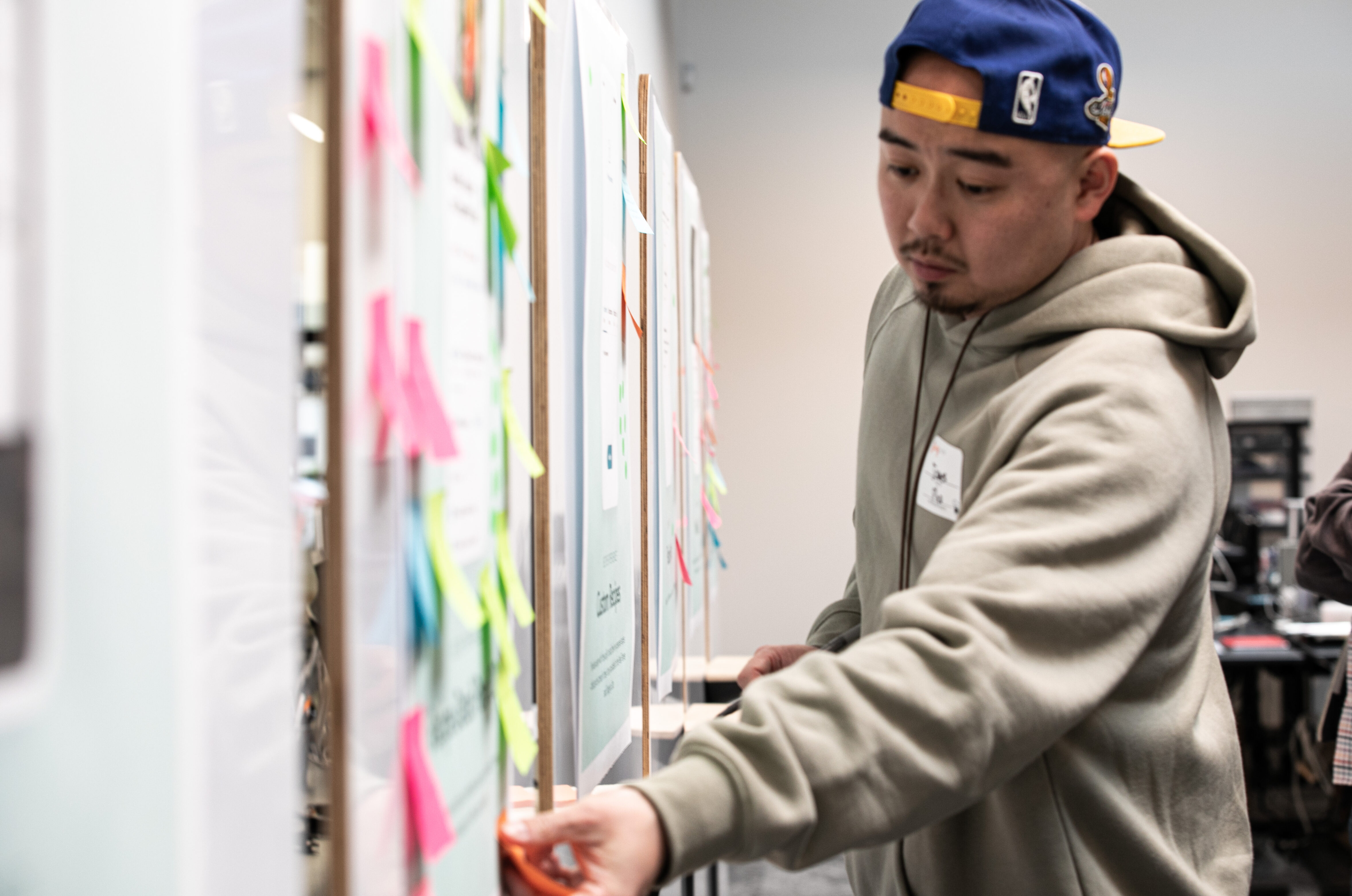
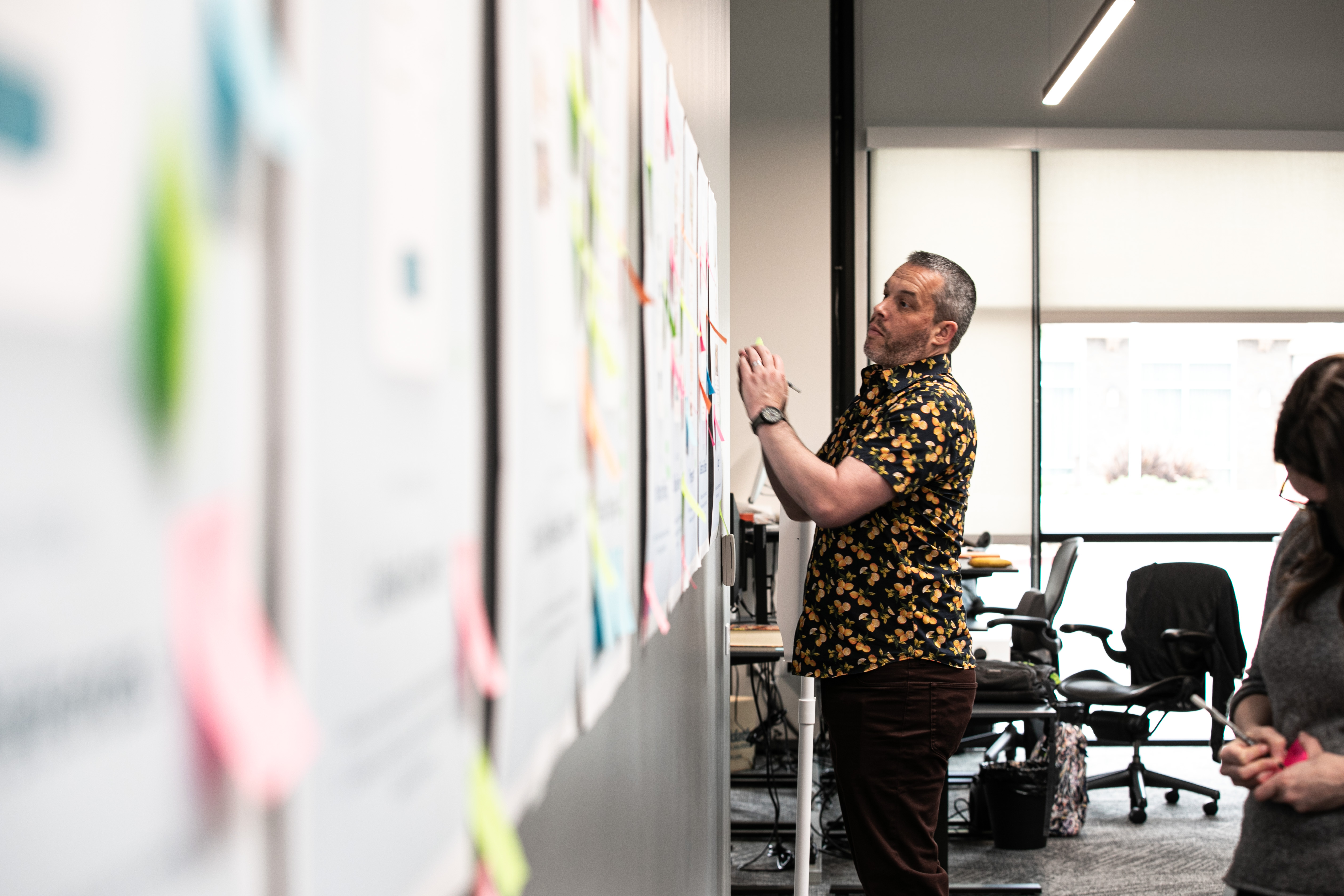
To ensure broad organizational alignment, we hosted a week-long workshop where teams could examine the strategy and test prototypes. Through structured discussions and design exercises, we refined the vision collaboratively.
Following these sessions, we worked with the Product team to synthesize the findings into a vision roadmap, which became the foundation for product development planning and a cornerstone for teams to align their OKRs and execution plans around.